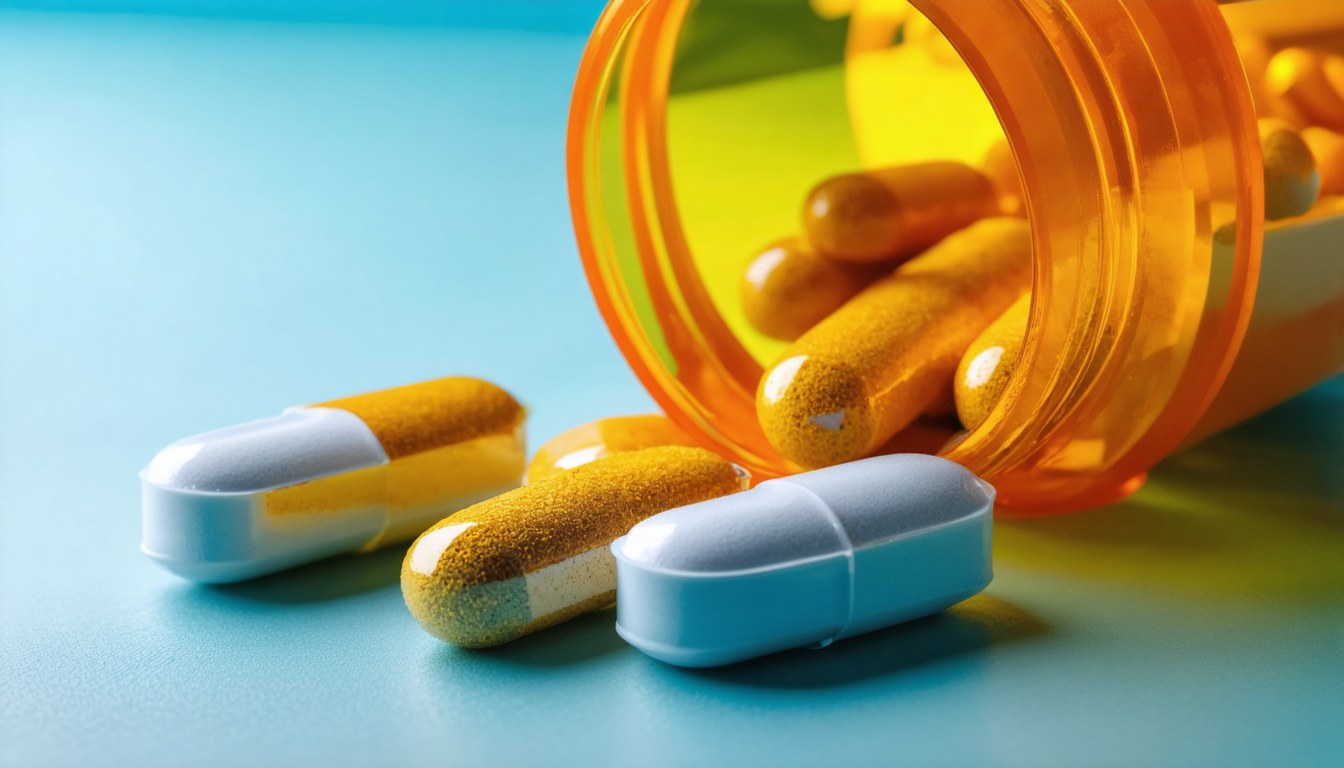
Potency improvement supplements — answers to the main questions
Disclaimer: This article is for informational purposes only and does not replace medical advice. If you have persistent erectile dysfunction, chronic diseases, or take prescription medications, consult a qualified healthcare professional.
Frequently asked questions
What are potency improvement supplements?
Potency improvement supplements are dietary supplements designed to support erectile function, libido, and overall male sexual health. They often contain vitamins, minerals, amino acids, and plant extracts. Unlike prescription medications, they are not intended to treat diseases but may support normal physiological processes.
How are dietary supplements different from erectile dysfunction medications?
Prescription drugs for erectile dysfunction (ED) undergo strict clinical testing for safety and effectiveness. Dietary supplements are regulated as food products in many countries and may not require the same level of evidence. Their effects can vary widely depending on ingredients and quality control.
Why can potency decrease with age?
Age-related changes in blood vessels, hormone levels (including testosterone), and nerve sensitivity can affect erections. Chronic conditions such as diabetes, hypertension, and cardiovascular disease also become more common with age and may impair blood flow to the penis.
What are the common causes of erectile dysfunction?
ED may result from vascular disease, hormonal imbalance, neurological disorders, medication side effects, stress, anxiety, depression, smoking, or alcohol misuse. Often, it is multifactorial, meaning both physical and psychological factors are involved.
How can I recognize that the problem requires medical attention?
If erection problems persist for more than three months, occur regularly, or are accompanied by pain, reduced libido, or other symptoms, medical evaluation is recommended. Sudden onset ED may signal cardiovascular issues and should not be ignored.
Which ingredients are commonly found in supplements for male potency?
Common ingredients include L-arginine, L-citrulline, ginseng, maca, zinc, vitamin D, and herbal extracts such as Tribulus terrestris. Some formulations also contain antioxidants to support vascular health. The scientific evidence for many herbal components is limited or mixed.
Do natural supplements really work for erectile dysfunction?
Some ingredients may modestly improve blood flow or address nutrient deficiencies, but effects are usually milder than prescription treatments. Results vary between individuals. Evidence is stronger for lifestyle changes than for most over-the-counter sexual enhancers.
Are potency supplements safe?
Not all supplements are equally safe. Some products may contain undeclared pharmaceutical substances or interact with medications such as nitrates or blood pressure drugs. Choosing reputable brands and discussing use with a healthcare provider is important.
Can supplements increase testosterone levels?
Only specific nutrients, such as zinc or vitamin D, may help normalize testosterone if a deficiency exists. In men with normal levels, most over-the-counter boosters have limited proven effect. True hypogonadism requires medical diagnosis and supervision.
When should I see a doctor instead of taking supplements?
If you have diabetes, heart disease, hormonal disorders, or take multiple medications, consult a doctor before using supplements. Immediate medical advice is needed if ED appears suddenly or is associated with chest pain, shortness of breath, or other alarming symptoms.
Is it possible to improve potency without pills?
Yes. Regular physical activity, weight management, smoking cessation, balanced nutrition, and stress reduction significantly improve erectile function. Psychological counseling may help when anxiety or relationship problems are contributing factors.
How long does it take to see results?
If supplements are effective, mild improvements may appear within several weeks. However, sustainable benefits usually depend on addressing underlying causes, not only on taking capsules.
Detailed breakdown
1. How erections work: the role of blood vessels and hormones
An erection depends primarily on healthy blood flow. Nitric oxide helps relax blood vessels in the penis, allowing increased circulation. Conditions that damage vessels—such as atherosclerosis, high blood pressure, and diabetes—directly impair this mechanism. Hormones, especially testosterone, influence libido and energy levels but are only one part of the process.
2. Evidence behind common potency improvement supplements
L-arginine and L-citrulline are involved in nitric oxide production and may support vascular function. Panax ginseng has shown moderate benefit in some clinical studies. Zinc and vitamin D may help if laboratory-confirmed deficiencies exist. However, many herbal sexual enhancement supplements lack large, high-quality trials.
For more evidence-based health information, see our articles section with medical reviews.
3. Risks, interactions, and quality concerns
Unregulated products marketed as “natural Viagra” may contain hidden prescription substances. This can cause dangerous drops in blood pressure, especially in people taking nitrates. Supplements may also interact with antidepressants, antihypertensives, or anticoagulants.
Men with chronic diseases can find additional guidance in our FAQ section dedicated to common health conditions.
4. Psychological factors and sexual health
Performance anxiety, chronic stress, and depression can significantly affect potency. In such cases, supplements alone are unlikely to solve the issue. Cognitive behavioral therapy, couples counseling, and stress-management techniques are often beneficial.
5. Lifestyle as the foundation of male sexual health
Regular aerobic exercise improves endothelial function and testosterone balance. A Mediterranean-style diet rich in vegetables, whole grains, fish, and healthy fats supports cardiovascular health. You can explore supportive nutrition principles in our healthy lifestyle materials.
Symptom/situation → urgency level → where to seek help
| Symptom or situation | Urgency level | Where to seek help |
|---|---|---|
| Mild, occasional erection difficulty | Low | Primary care physician for routine consultation |
| Persistent ED for more than 3 months | Moderate | Urologist or andrologist |
| ED with diabetes or heart disease | Moderate to high | Primary care doctor + relevant specialist |
| Sudden ED with chest pain or shortness of breath | Emergency | Emergency medical services |
| Suspected hormonal disorder (low libido, fatigue) | Moderate | Endocrinologist |
Checklist: what you can do today
- Schedule a general health check-up if you have not had one in the past year.
- Monitor blood pressure, blood sugar, and cholesterol levels.
- Increase weekly physical activity (e.g., brisk walking, cycling, swimming).
- Stop smoking and limit alcohol intake.
- Improve sleep quality (7–9 hours per night).
- Adopt a balanced, heart-healthy diet.
- Manage stress through relaxation techniques or counseling.
- Review current medications with your doctor for possible sexual side effects.
- Choose supplements only from reputable manufacturers with transparent labeling.
- Avoid products promising “instant” or “guaranteed” results.
Sources
- World Health Organization (WHO) — Sexual health and well-being resources.
- National Institutes of Health (NIH), Office of Dietary Supplements.
- American Urological Association (AUA) — Erectile Dysfunction Guidelines.
- European Association of Urology (EAU) — Guidelines on Sexual and Reproductive Health.
- U.S. Food and Drug Administration (FDA) — Consumer updates on tainted sexual enhancement products.